What is spravato?(Esketamine)
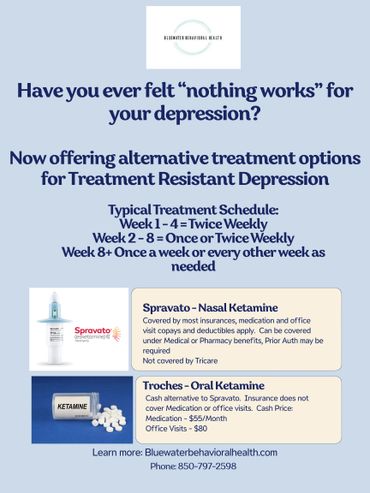
What is esketamine and what does it treat? Esketamine is an intranasal antidepressant medication that works in the brain. It is FDA approved for the treatment of major depressive disorder (MDD) with suicidal thoughts and behavior as well as treatment-resistant depression (TRD) in conjunction with an oral antidepressant.
Photo Gallery


Site Content
Ketamine Troches
What Are Ketamine Troches?
Ketamine troches are small, flavored lozenges designed to dissolve under the tongue (sublingual) or between the cheek and gum (buccal), allowing the medication to be absorbed directly into the bloodstream through oral mucosa. This method bypasses the digestive system and first-pass liver metabolism, providing a smoother onset and more efficient absorption compared to oral pills. Troches are commonly used for conditions such as depression, anxiety, PTSD, and chronic pain, often as part of a broader ketamine-assisted therapy plan.
How They Work
Troches work in the same manner as Spravato or IV Ketamine. Ketamine acts on NMDA receptors in the brain, producing rapid improvements in mood and pain perception. Sublingual absorption allows for a gradual onset of effects, typically starting within 10–30 minutes, with primary effects lasting 1–2 hours, though residual benefits may persist for days or weeks. The experience can include mild dissociation, altered perception, or emotional relief, which is generally temporary and resolves within a few hours.
Dosage Guidelines
There is no standard dose, as ketamine troche therapy is highly individualized. Clinicians often start with a low dose and adjust based on effectiveness and tolerance. Common dosing ranges include:
- Starter doses: 100 mg
- Typical therapeutic range: 0.3–1.5 mg/kg/day
- Maximum doses: Rarely exceed 250 mg per session
- Frequency: One to two times weekly for depression
- Dosage should always be clinician-guided to minimize side effects and ensure safety.
Administration Tips
- Place the troche under the tongue or between the cheek and gum and allow it to dissolve completely (usually 10–15 minutes)
- Avoid swallowing immediately to maximize sublingual absorption
- Remain seated or lying down for 1–2 hours after administration
- Have a trusted person nearby during initial doses
Safety and Considerations
Ketamine troches are off-label for mental health and pain conditions, meaning they are prescribed based on clinical judgment rather than FDA approval for these uses. Temporary side effects may include:
- Dissociation or feeling disconnected
- Dizziness or lightheadedness
- Nausea
- Blurred vision
- Increased heart rate or blood pressure
- These effects are usually mild and resolve within a few hours. Patients should not drive or operate machinery immediately after use.
Advantages
- Controlled dosing
- Rapid onset compared to oral pills
- Alternative to IV or intranasal ketamine
- Can be integrated into ketamine-assisted psychotherapy
- Ketamine troches provide a patient-friendly, effective option for ongoing therapy, but should always be used under professional supervision to ensure safety and optimal outcomes.